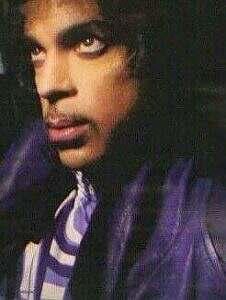
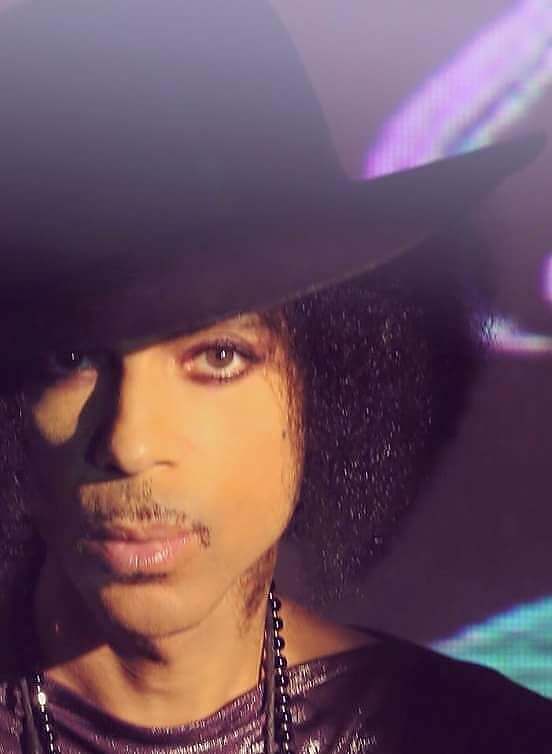
-This episode was first posted on the YouTube channel on April 29, 2017.
-It was revised and posted to YouTube on November 30, 2017.
-The FINAL Revision and Update was posted to the Patreon channel on May 29, 2020.
There is an additional 30 minutes added to this 2020 revision, with updated and revised info.
James B Conkling: Founding President of Warner Brothers Records, The Recording
Academy, The Grammys, The RIAA, and Creator of the LP Record
Though seemingly forgotten through the decades, Record Executive, James Conkling was an innovator and visionary, that was central to the creation of the music business as we know it today.
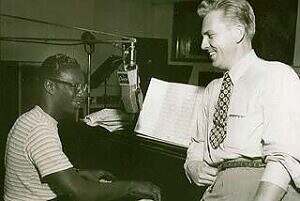
James B. Conkling served in the navy during World War II. A jazz trumpeter, he went to work at Capitol Records in 1944. At Capitol, he worked with many jazz and popular music legends like Mel Torme, Bob Hope, and Nat King Cole. Conkling and Nat King Cole became close friends and their friendship would last until Nat King Cole’s death on February 15, 1965.
James Conkling and Nat King Cole became lifelong friends that first met when they were both at Capitol Records
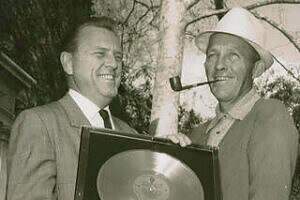
James Conkling with Bing Crosby
Warner Brothers Records Logo circa 1958
Logo of The Recording Industry Association of America
Conkling retired from Warner Brothers Records in 1961, and as a Mormon and member of the LDS Church went on to found Bonneville Corporation, the LDS church’s music corporation and he worked there for 20 years. After leaving, he headed up the Nat King Cole Cancer Foundation. In 1981, appointed to head up the government sponsored, Voice of America radio by President Ronald Reagan, but left due to frustration in working for the Government.
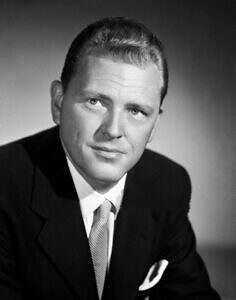
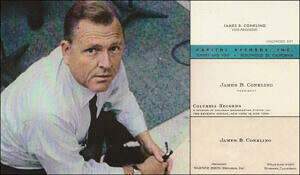
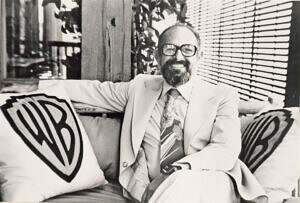
James B. Conkling, Founding President of WB Records 1958. Former President of Columbia Records. Creator of The Grammys, The RIAA, and The Recording Academy
Capitol Records Logo
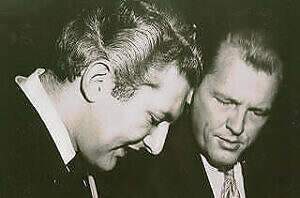
Liberace and James Conkling
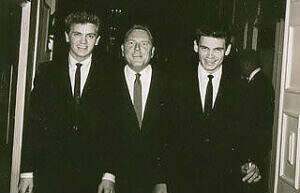
The Everly Brothers with James Conkling
James Conkling was an Exec at Capitol Records, President of Columbia Records, and Founding President of Warner Brothers Records
Conkling then became President of Columbia Records, and he held that post until Jack Warner installed Conkling as Founding President of the new Warner Brothers Records in 1958. Conkling then, co-founded the Record Industry Association of America (RIAA), the body that certifies records Gold, Platinum, and Diamond.
Conkling was also Founding Chairman of The Recording Academy and The Grammys, and he produced the first Grammy Awards shows, first held in 1959 to honor 1958 music.
Conkling helped establish The Recording Academy which sponsors The Grammy Awards
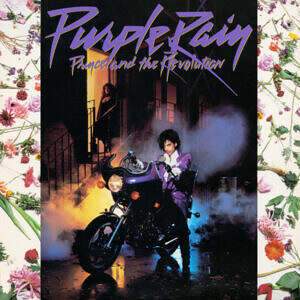
When we look at Conkling's Gematria coding, it reveals coded connections toPrince’s “19” year contract with WB Records. Conkling’s name decodes to the date that Prince signed his 1st contract with WB Records in 1977."7" years later, The "Purple Rain" album was released on 6/25/1984. And interestingly, Michael Jackson died 6/25/2009, and this is one of many other “side” rituals and connections between Prince, Michael Jackson and Clive Davis in the 1990s, that we will discuss later in“The Ritualistic Life and Murder of Prince” series.
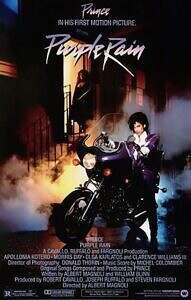
The "Purple Rain" album released June 25, 1984
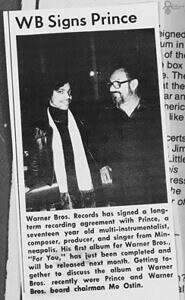
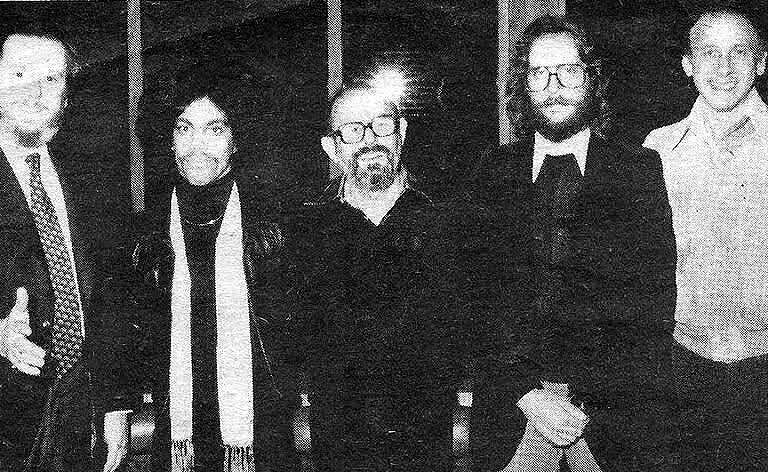
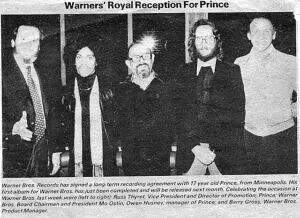
News coverage of Prince's 1977 Warner Brothers Records contract signing
We also discuss how and why February 15th, or 2/15 is a popular date for The Grammys to be held, and why many Warner Brothers artists like Nat King Cole,Vanity aka Denise Matthews, and many others often die on the day of The Grammys. But we will discuss this in the next episode in detail, “Pt.3: Prince & The Grammys Rituals 1985-2017”.
"The Ritualistic Life and Murder of Prince" Pt 3: "Prince and The Grammys Rituals 1985-2017"
It is important to track and understand all that James Conkling created in those years in the music business, and to note all the companies he worked for through the years, because as we will see in the next episode,“Pt.3: Prince & The Grammys Rituals 1985-2017” all of Conkling’s accomplishments, all the companies he led, all the innovations in the music business are all tied together under the Warner Brothers Records banner, and are all tools for the evil elites in the music business to utilize towards an evil end.
James Conkling and the “Egg Building”
In the next section of this episode, I take you all back to my first visit to Paisley Park back in 2016, a few months after Prince’s death. Since that first visit in 2016, I have always planned for an episode on my many visits to Paisley Park, since I am always shown so much about Prince’s life and death each time I go.
This section of the episode is what has mainly been “revised” and “updated” over the years as my work with Prince escalated, and I was entrusted with more and more information about the truth of Prince’s life and death.
But our discussion here focuses on Prince’s true intention in constructing Paisley Park as a “clubhouse” or a hub to cultivate local talent and artists. This is what Prince said in 1985 while Paisley Park was being constructed, and this is true. However, I have learned over my time of working with Prince and reviewing his public life here through the years, that Prince would often give a “3D world” explanation for something, but there was always a higher truth and reasoning connected to it, that many here would not get or understand. This is how Prince lived his public life and career for close to 4 decades, but for those of a “higher mind” or those who have been enlightened beyond this physical plane, it is clear and evident what Prince was and continues to do through a public, manmade persona of “Prince”.
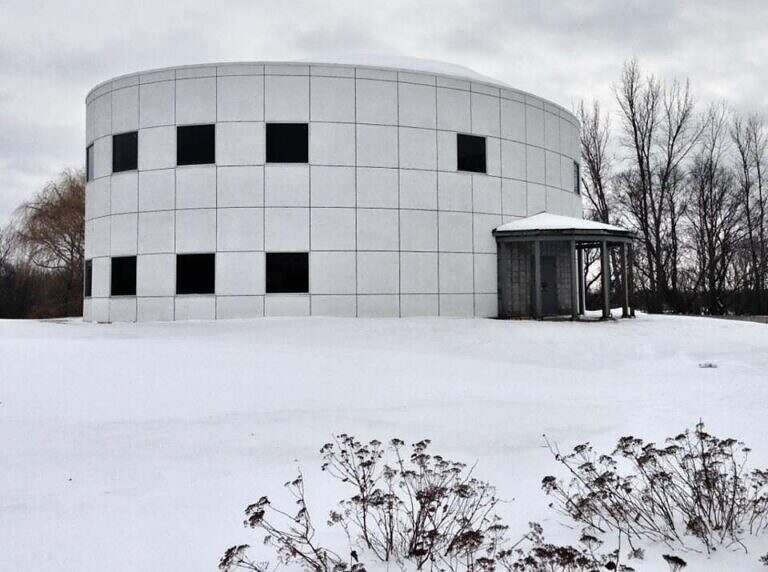
The "Egg Building" at Paisley Park, Chanhassen, MN
The "Egg" Building at Paisley Park Studios
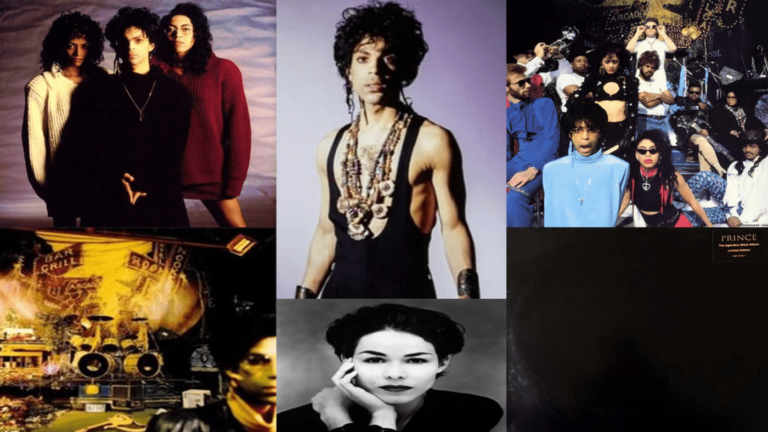
"The Ritualistic Life and Murder of Prince" Pt.4 SEGMENT 13: "Sign O' The Times/The Black Album"
Closeup of "The Egg Building" at Paisley Park
Shot of NPG Music Club Room at Paisley Park
Paisley Park and its adjacent structure dubbed, “The Egg Building” by Paisley Park staff, is one such example.
Paisley Park was intended as a local artistic “Hub” and also to house Paisley Park Records, Prince’s record label that was a subsidiary of Warner Brothers Records.Paisley Park was designed and built by Prince himself, with the help of an architect. Though construction of Paisley Park was completed in 1986, Paisley Park did not officially open until September 11, 1987, and there was a reason for this. We discuss throughout the series, particularly in SEGMENT 13: “Sign O’The Times”/”The Black Album”, and SEGMENT 14: “Lovesexy”, the significance of the date September 11 or 9/11 or 11/9 in lower and high vibrational Gematria coding.
But the focus of this section is upon “Egg Building” structure. Back in 2016 and 2017, when I was first writing this episode, I couldn’t find any information on it construction date or intended purpose. But, on that first visit I seemed to have "remembered" reading somewhere years ago, that Prince intended the structure as a final resting place. I also thought to myself, “It looks like and Eye, not an Egg”. All of this was validated by other visitors who said to each other, “I thought Prince would be buried inside that building next door” and “It looks like and Eye to me, not an Egg”. Spirit has an interesting way of speaking to you or validating what you know.
But in this interim time since that first visit and first “version” of this episode, I learned the original purpose of this “Egg Building” and of the extensive land property Prince purchased adjacent to Paisley Park (156 acres between Lake Ann and Lake Lucy). This purpose is connected to Prince’s mission work with “The Fam”, in preparation for the times ahead beyond 2020. However, these plans fell by the wayside in the mid to late 1990s as Prince continued to battle Warner Brothers Records, for his masters, and rights to his music. But as we discuss in the “Prince’s Spiritual Life and Journey” series, “Part 5: Prince’s Ascension”, Prince picked these plans back up in 2015, and was preparing to move “the work” forward, but then was killed before he could fully manifest all of it into the world.
But you may ask, what does this all have to do with founding Warner Brothers President, James Conkling? The answer lies in what “The Egg Building” and Paisley Park truly are when you regard them from above, in relation to what we have learned in the “Prince’s Spiritual Life and Journey” series about Prince’s true spirituality, who he is, and from whence he came, so many lifetimes ago.
"Prince's Spiritual Life and Journey" Pt. 5: "Prince's Ascension"
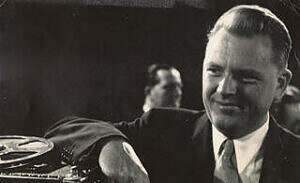
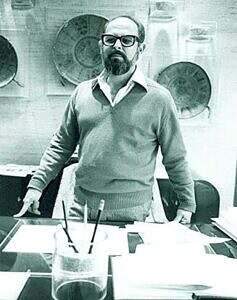
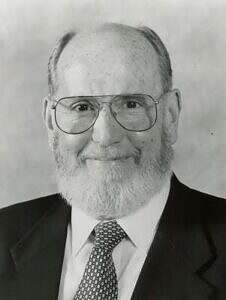
James Conkling
How Prince Became a Warner Brothers Artist
"Prince Unauthorized", 1992
In this episode, we also review some clips from one of my favorite documentaries on Prince from 1992, “Prince Unauthorized”. I have found in this study of Prince’s life and story, that many times the “most current” story, or information circulated after Prince’s death is usually, spun narrative spoken at a time when Prince can’t dispute what you're saying, or call you out as a liar.
The most viable and truthful sources are those that spoke out and told their stories about Prince and his life here, when HE was here. I give less credence to tales told after Prince’s death, but as always, the “agenda” of the person speaking must always be considered.
Pepe Willie, Prince's ex-cousin in-law, manager, and mentor
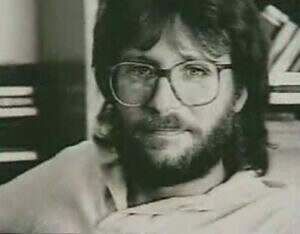
Chris Moon, an early Prince collaborator
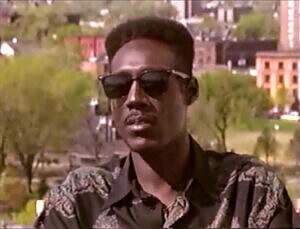
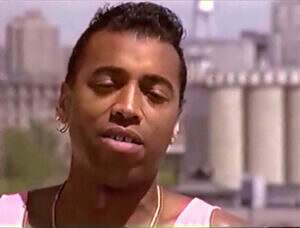
Prince's cousin, Chazz Smith
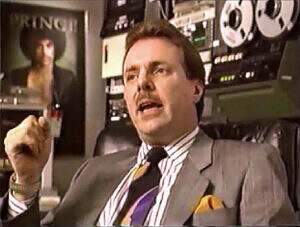
Prince's first manager, Owen Husney
In this particular documentary, "Prince Unauthorized", we review clips from those close to Prince in the early years, his cousin, Chazz Smith, Pepe Willie, Prince’s former cousin in law; Prince’s first collaborator/mentor Chris Moon, and Prince's first manager Owen Husney.
These people all recall their time with a teenage Prince in the early years, and how Prince secured his first record deal with Warner Brothers Records.
The 1977 Warner Brothers Execs That Signed Prince
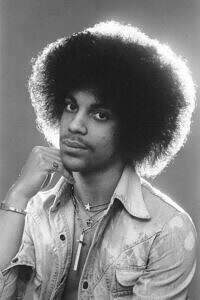
Prince in 1977
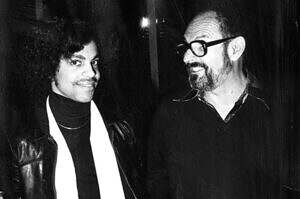
Russ Thyret, Prince, Mo Ostin, and Owen Husney, 1977 WB Contract Signing Party
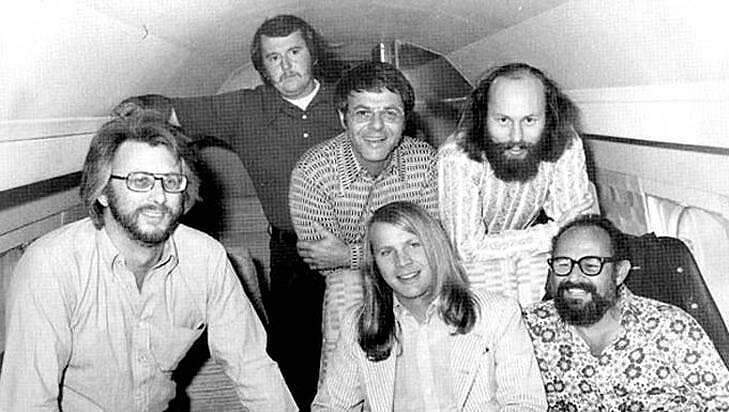
1977 Warner Brothers Records Execs
We also discuss the four Warner Brothers Execs that signed Prince to his first record contract in 1977. We will also talk about these four Execs throughout Part 4 of “The Ritualistic Life and Murder of Prince” series often, since these were the Execs at the label that Prince worked with the most.
Mo Ostin:
A&R Exec
President of Warner Brothers Records 1982-1994
Prince and Chairman of Warner Brothers Mo Ostin, at Prince's 1977 contract signing
Mo Ostin, legendary music exec and Chairman of Warner Brothers Records
Mo Ostin was Chairman and CEO of Warner Brothers Records from 1961-1994.Mo Ostin is a legend in the music industry, having worked with many iconic artists from the 1950’s until the 1994, when he left Warner Brothers Records. We will see the highs and lows of Prince’s relationship with Mo Ostin throughout Part 4 of the series, since Prince and Ostin both left Warner Brothers Records in 1995 amidst controversial changes in leadership at the label.
Lenny Waronker:
A&R Exec
President of Warner Brothers Records 1982-1994
Lenny Waronker and Mo Ostin are linked through their “parallel” careers in the music industry. Mo Ostin was Lenny Waronker’s mentor for decades in the music industry before he came to Warner Brothers Records. When Ostin came to Warner Brothers Records as Chairman in 1961, he brought Waronker with him and hired him as an A & R Exec. Then in 1982, he installed Waronker as President of Warner Brothers Records, and Waronker held that post until 1994.
Mo Ostin (left) and Lenny Waronker (Chairman and President of Warner Bros. Records)
Lenny Waronker and composer Van Dyke Parks in 1968
Lenny Waronker, former President of Warner Brothers Records
Russ Thyret:
A&R Exec
President of Warner Brothers Records 1982-1994
Russ Thyret was a Warner Brothers A & R Exec and Marketing Exec for most of his decades long career at the label. Thyret was a friend of Prince’s first manager, Owen Husney and Prince’s “in” to Warner Brothers Records in 1977.
Thyret and Prince would have their issues through the years, since Thyret was usually the first Exec to complain of Prince “saturating the market with product” and wanting to release too much material through the years. But when Thyret became Chairman and CEO of Warner Brothers Records in 1995, after Mo Ostin left, he would release Prince from his contract with the label.
Russ Thyret, Warner Brothers Marketing Exec in the 1970's
Russ Thyret, Chairman and CEO of WB Records 1995-2001
Marylou Badeaux:
A&R Exec
President of Warner Brothers Records 1982-1994
Marylou Badeaux was a Black Music A & R Exec at the label, and held that position for decades at Warner Brothers Records. She had a good relationship with Prince, and he trusted her judgment and opinion through the years. Marylou Badeaux would also leave Warner Brothers Records in 1995 with Mo Ostin and Lenny Waronker.
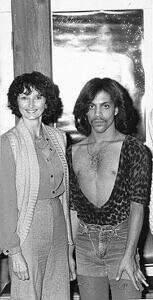
Marylou Badeaux and Prince in 1979
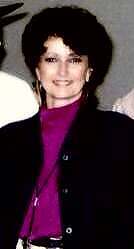
Marylou Badeaux, former Warner Brothers Records Black A&R Exec
Marylou Badeaux, Black A&R Exec Warner Brothers Records
In the early 1990’s, WMG was going through serious corporate changes and turbulence within the company, resulting in high turnover of WMG and Warner Brothers Records leadership. We discuss this in detail in SEGMENT 19 (Pt.2): "The Fight For Freedom Continues 1994-1995". Ostin, Waronker, and Badeaux became "fed up" with all the corporate back-stabbing and plots and counter-plots within the company, and all left by the end of 1995.
The 1977 Contract with Warner Brothers
Newsclip for Prince's 1977 Warner Brothers Records contract signing reception
We note the date that Prince signed his contract, June 25, 1977 is a ritually coded date, with Gematria that binds Prince to the Founding President of Warner Brothers Records,James Conkling, and to the release of the “Purple Rain” album on this same date in 1984. Just like as we saw in the first episode of the series, Pt 1: "WB Pictures, The Warners, and Prince”, that Harry Warner (Founding President of Warner Brothers Pictures)'sdeath date was ritually connected to the release date of the movie “Purple Rain”, a Warner Brothers Picture.
We discuss in further detail, why these corporations use lower energies and “lower evil intent” Gematria coding to trap these artists’ energy, (not just their physical selves) in a contract. Coming up in the series, we look at what Prince did in his life and career, to free himself from this evil coding, though it took his whole lifetime, and in the end led to his death in 2016.
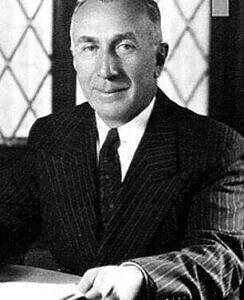
Founding President, Harry Warner, the oldest of the Warner Brothers
There are Gematria coded connections between founding President Harry Warner's death, Prince's birth, and the WB Picture "Purple Rain"
The Ritual of “19”
As I was researching this episode in 2016 into 2017, I came across another integral discovery in Prince’s scripted life and death: “The Ritual of 19”. This one number is the foundation of Prince’s coded life in the music business.
We discuss this number, “19” coded onto Prince’s contract signing in 1977 in triplicate (because you understand why things are done in “threes” right?), and also discover that Prince’s career was split into two “19” year cycles: 1977 to 1996, and 1997 to 2016.
Number "19", one of the most prominent "Prince Numbers"
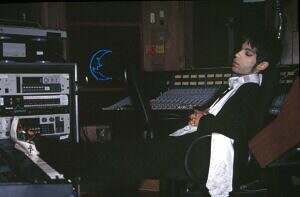
Prince in his Paisley Park Studio 1996
What is most telling, is that my research uncovered that on April 21, 1996 (20 years to the date of Prince’s actual death on April 21, 2016), Prince was found unresponsive in his Paisley Park studio. He was rushed to the hospital, and released the same day.
What are the chances that Prince would experience a near fatal “Aspirin and Wine overdose" on the same date he would die of an “accidental Fentanyl overdose” exactly 20 years later?
It seems that at the end of each “19” year cycle of Prince’s career an attempt was made on his life. What did he have to give up or “sacrifice” to continue on into the 2nd“19” years? What didn’t he give up in 2016, and in turn was removed from this life? We explore these questions in the episode and through the years in “The Ritualistic Life and Murder of Prince” series.