1991: Prince infuses Rap and Hip Hop into the “Diamonds and Pearls” Music
It is often discussed by those who study and document Prince’s career, that 1991 was an important year musically for Prince. This is because “Diamonds and Pearls” was released in October 1991, and on this album, Prince began to insert Rap and Hip Hop into his music.
At this time, in the early 1990’s Rap and Hip Hop music had become a commercially viable genre of music, with many of the early 1990’s biggest stars being rap and hip hop artists.
Prince was not simply “jumping on the bandwagon” of the popularity of rap and hip hop music, but as Prince has always done, he observed and listened and figured out how to integrate this Black American art form into his music and make it his own.
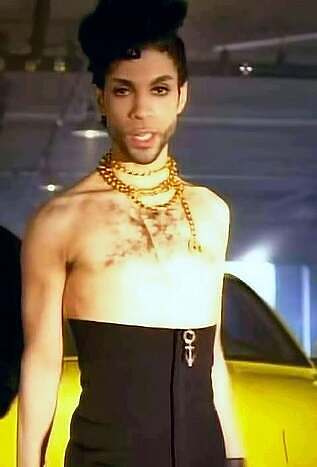
Prince in the "Sexy MF" video, 1992
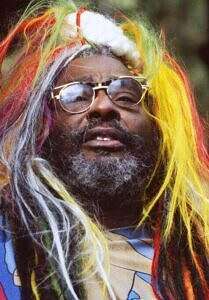
George Clinton's music was heavily sampled by Rap and Hip Hop artists in the 1990s
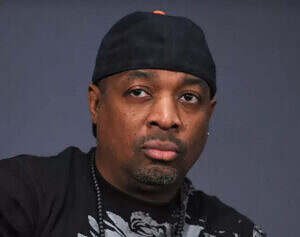
Chuck D's group Public Enemy sampled "Let's Go Crazy" in the song "Brothers Gonna Work It Out". Chuck D and Prince recorded and performed together for decades.
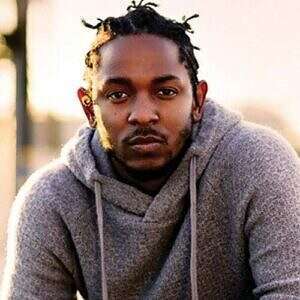
Prince was set to appear on Kendrick Lamar's 2015 album, "To Pimp a Butterfly", but instead, they performed together at Paisley Park in 2014
Also, at this time George Clinton of Parliament Funkadelic fame was a Paisley Park artist, since he signed to Prince’s label, Paisley Park Records in 1988. Rap and Hip Hop musicians of the 1990s were sampling the music of James Brown, Sly and The Family Stone, and Parliament Funkadelic most commonly in their songs.
Prince observed the work that George was doing with these young artists, most notably Bay area group, Digital Underground. Prince then began working with many of this young generation of rap artists, allowing them to rap on his songs, or for only a handful: to sample his music.
We discuss and track some collaborative friendships from the 1980’s up through the 2000’s that developed between Prince and many rap artists that lasted up to Prince’s death in 2016.
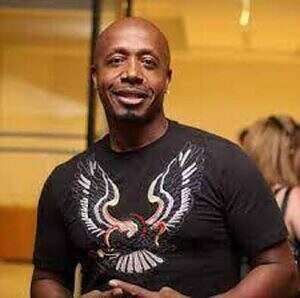
In 1991, MC Hammer sampled "When Doves Cry" in his hit song, "Pray"
Rapper Doug E. Fresh became a part of "The New Power Generation" in 1998, and would record and tour with Prince for years up to Prince's death
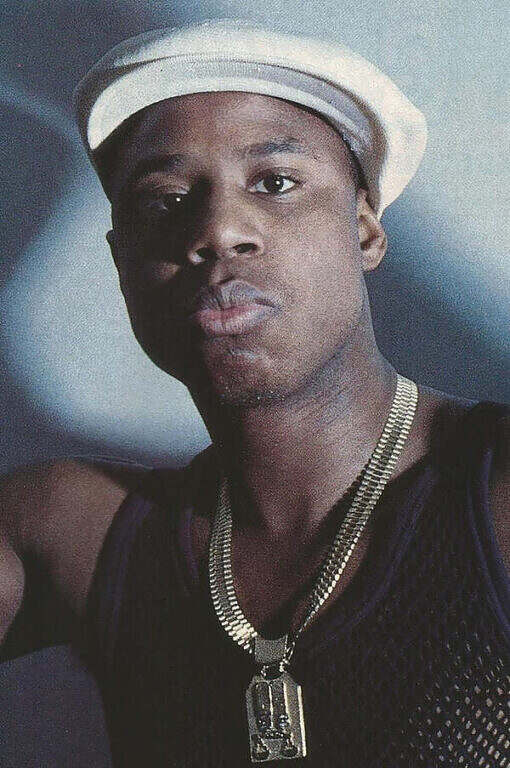
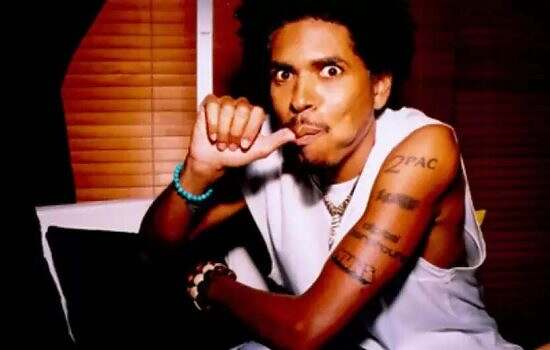
In 1994, Shock G produced a remix of "Love Sign" by Prince and Nona Gaye, that sampled Prince music from 1982.
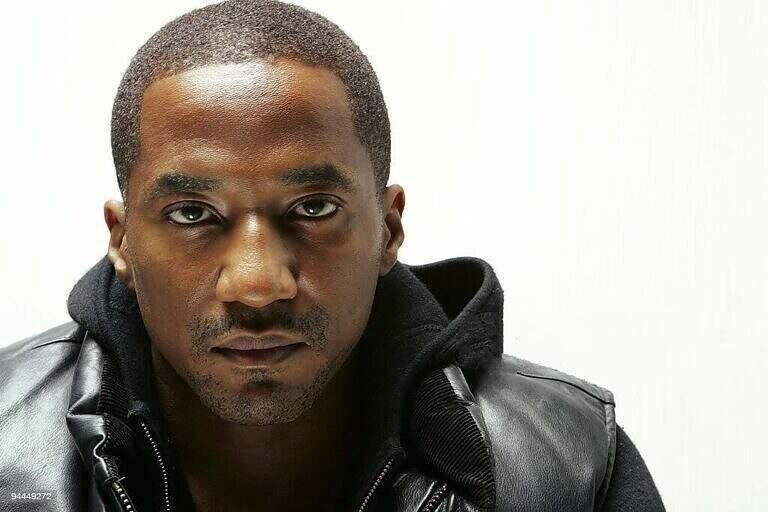
Rapper Q-Tip and Prince recorded together and were friends for decades
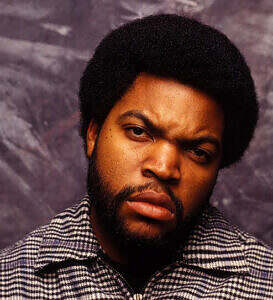
In 1994, Ice Cube directed the video for "Love Sign" by Prince and Nona Gaye, as well as the "Increase the Peace" PSA for Nona's anti-gun violence campaign
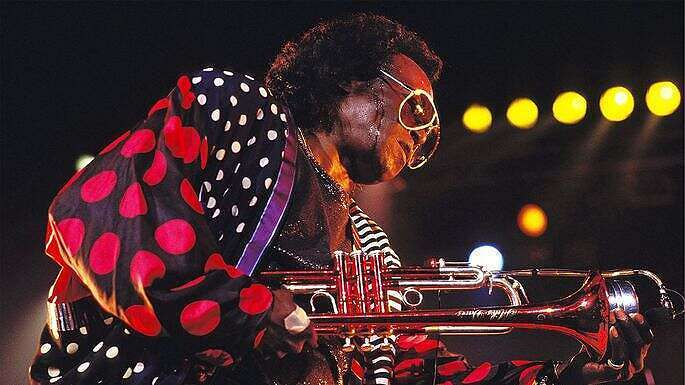
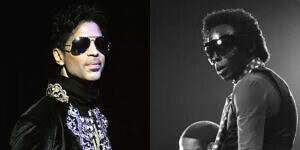
Miles Davis and Prince: A Destined Connection
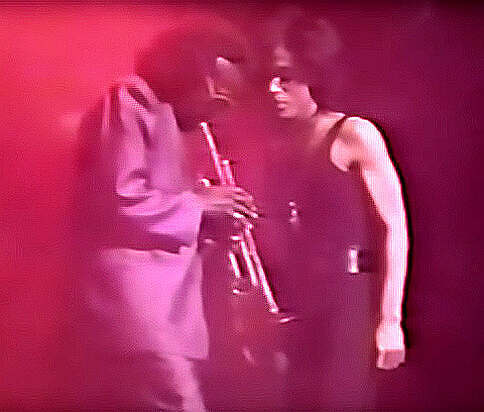
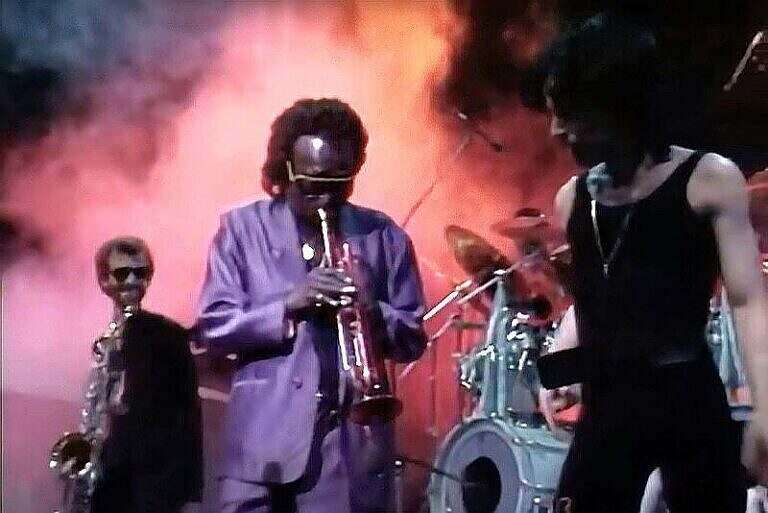
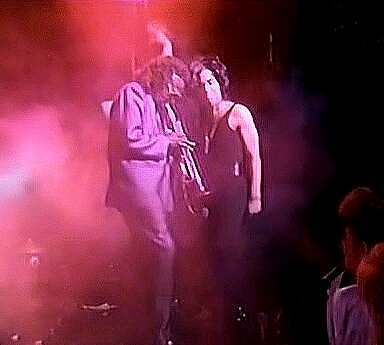
Prince and Miles only performed together once: New Year's Eve 1987 at Paisley Park
In all the years that I have been this work, decoding Prince’s coded and scripted life, I have never come across an individual whose Gematria coding was as karmically linked to Prince as Miles Davis. This coding would explain the intensity of the connection between Prince and Miles, though the two only shared a stage once. And this coding would indicate two people who would be linked throughout their lifetimes, and even after death. I think this is true of Prince and Miles.
Miles Davis is of course a jazz legend, who began recording in the 1940’s. Miles became a Warner Brothers artist in 1985, and soon after, those around both Prince and Miles were trying to figure out how to get the two together to collaborate.
In 1986, Warner Brothers was anxious to have Prince and Miles work together on a song for Miles’ first album with the label. Prince began sending Miles some Madhouse tracks to add trumpet to. The two worked on “Can I Play With U?” for months into 1987, sending the tape of the song back and forth. Eventually, both Prince and Miles lost interest in the song and it was shelved. “Can I Play With U?” was mastered and released by Prince’s estate in 2020.
In this section of the episode, we compare Prince and Miles’ coding and discover some interesting things. All of these “coding synchronicities” discovered, led me to understand the true “destined” nature of Prince and Miles' friendship, and why they are energetically linked, even after Miles Davis’ death in 1991.
Spike Lee and Prince Through the Years
Prince and Spike Lee first became friends in the late 1980’s, when Spike mentioned Prince in his 1989 movie, “Do the Right Thing”. While filming “Graffiti Bridge”, Prince watched Spike’s first film, “She’s Gotta Have It”, called Spike and invited him to Paisley Park. Reportedly, Prince kept stopping the shoot so that he could talk to Spike between scenes.
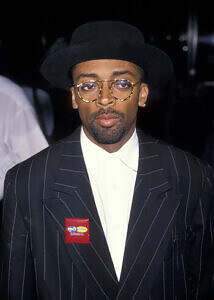
Film Director, Spike Lee
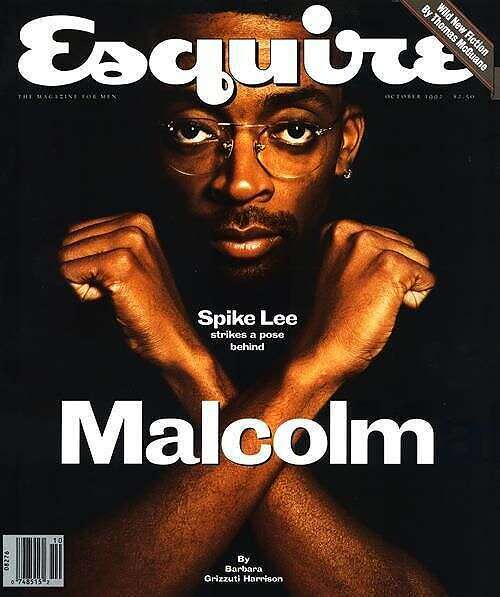
Spike Lee directed the 1992 film "Malcolm X"
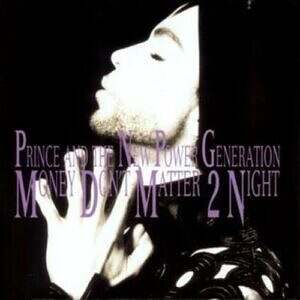
When Spike Lee made the film “Malcolm X” in 1991, Warner Brothers Pictures pulled the plug on the film, when it ran over budget by about $5 Million. So Spike approached some wealthy black celebrities, to ask for “donations” or “gifts” in order to complete the film. Among these celebrities was Prince, who of course agreed to give Spike money to complete “Malcolm X”. In return, Spike Lee would direct the music video for Prince’s song “Money Don’t Matter 2 Night”, the final release from the “Diamonds and Pearls” album.
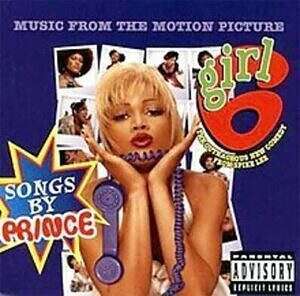
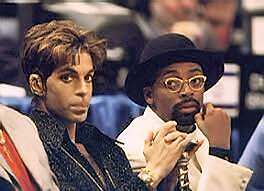
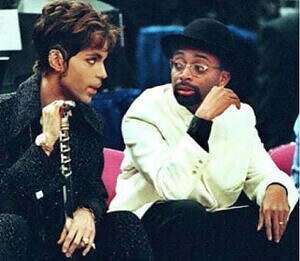
We track Prince and Spike’s friendship and collaborations through the years, like the “Girl 6” movie soundtrack, Spike’s 1996 film that featured a soundtrack of strictly Prince songs. The friendship continued through the years, with Prince and Spike Lee regularly spotted courtside at NBA games in New York and Los Angeles.
Prince and Spike Lee, both basketball fanatics could often be seen together courtside at NBA games through the years
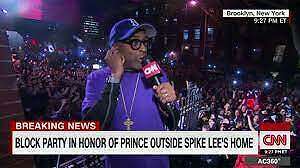
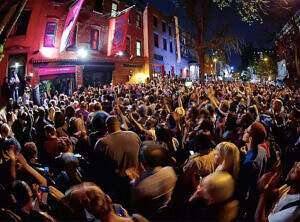
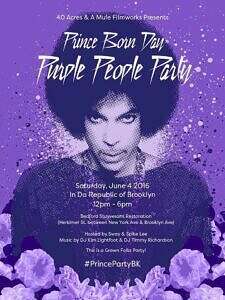
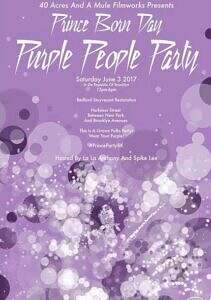
In the years after Prince’s death in 2016, Spike held an impromptu block party and celebration outside of his "40 Acres and a Mule” production office in Brooklyn. From that point onward, Spike held “Purple People Party” celebrations each year in June, to celebrate Prince’s life and legacy.
CNN Coverage of Spike Lee's Block Party on the day of Prince's death
Spike Lee held an impromptu block party outside his "40 Acres and a Mule" production office in Brooklyn, the day of Prince's death in 2016
Flyer for the first Prince Born Day "Purple People Party" June 4, 2016
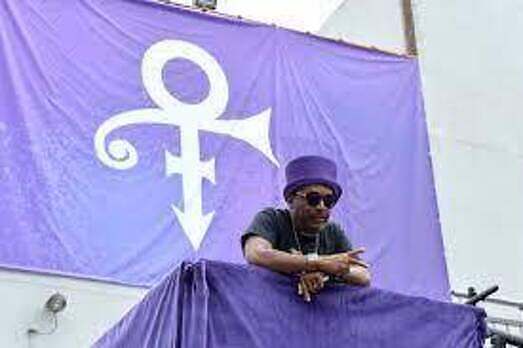
Spike Lee at "Purple Party 2" in Bed-Stuy Brooklyn, June 3, 2017
Flyer for Prince Born Day "Purple People Party 2" June 3, 2017
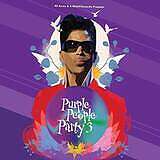
Flyer for Prince Born Day "Purple People Party 3" June 9, 2018
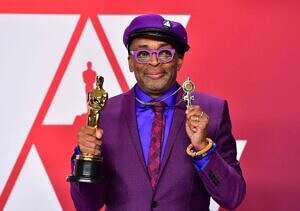
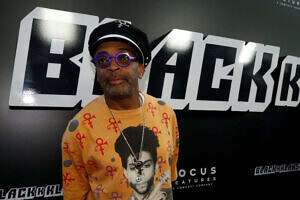
Spike continued to tribute Prince in his film and television projects, culminating with the 2018 film, “BlacKKKlansman”, that featured an unreleased Prince song from 1983, "Mary Don't You Weep". Then, Spike Lee won his first Academy Award (or “Oscar”) for Best Adapted Screenplay for the film.
Spike Lee wins his 1st Oscar in 2019, wearing a purple suit, hat, glasses, and a Prince symbol (circa 1991) gold pendant
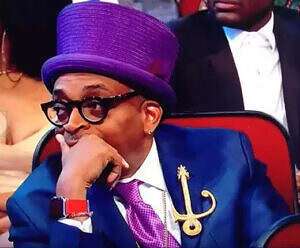
Spike Lee wore a "Prince tribute" outfit at the 2016 BET Awards